Lesson 13 of 157 min read
Commercial work: dumpsters, pads and HOAs
How bin cleaners win commercial work: restaurant dumpsters and pads, apartments and HOAs, real prices, grease and wastewater rules, insurance and contracts.
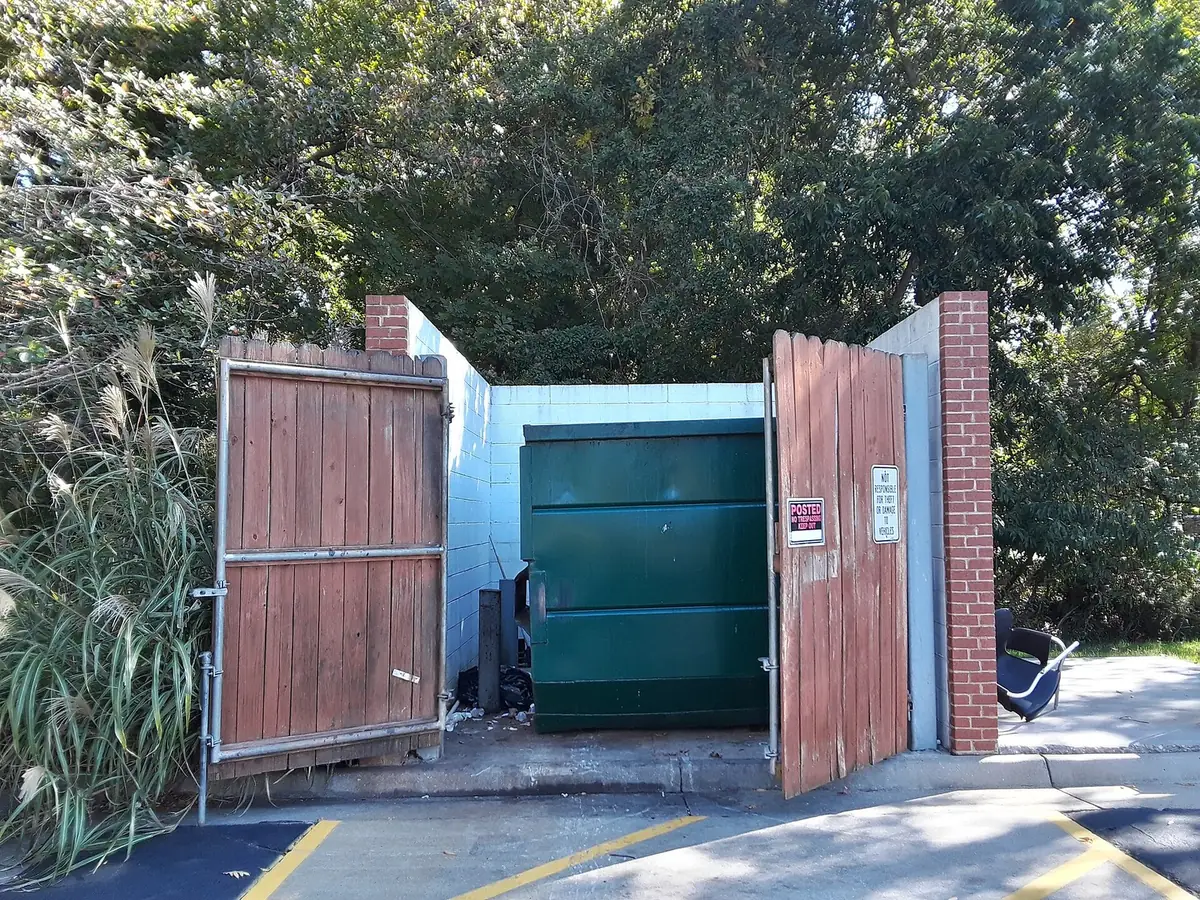
Commercial work pays more per job than a home cart, and much of it runs all year. It also needs different equipment, stricter wastewater handling and more paperwork. Most bin cleaners treat it as a second line: 65% of the sites we read mention commercial customers and 46% mention dumpsters, but only 13 publish a dumpster price.
Who buys
- Restaurants and other food businesses. The FDA Food Code, adopted by states, requires refuse containers to be cleaned often enough that soil doesn’t build up and pests aren’t attracted, with the wash water disposed of properly (Minnesota’s adoption). Health inspectors check lids, overflow, grease and standing liquid on the pad.
- Apartments, HOAs and property managers. One California company lists HOAs and gated communities, hotels, retail centers, office parks and apartment buildings as clients, on monthly, quarterly or yearly agreements.
- HOAs buying for every home. Some HOAs pay for residents’ carts in bulk, or let you sell to all residents at a group rate.
- Haulers. Some haulers clean or swap their own dumpsters; others partner with bin cleaners. Ask who owns the dumpster before you quote it.
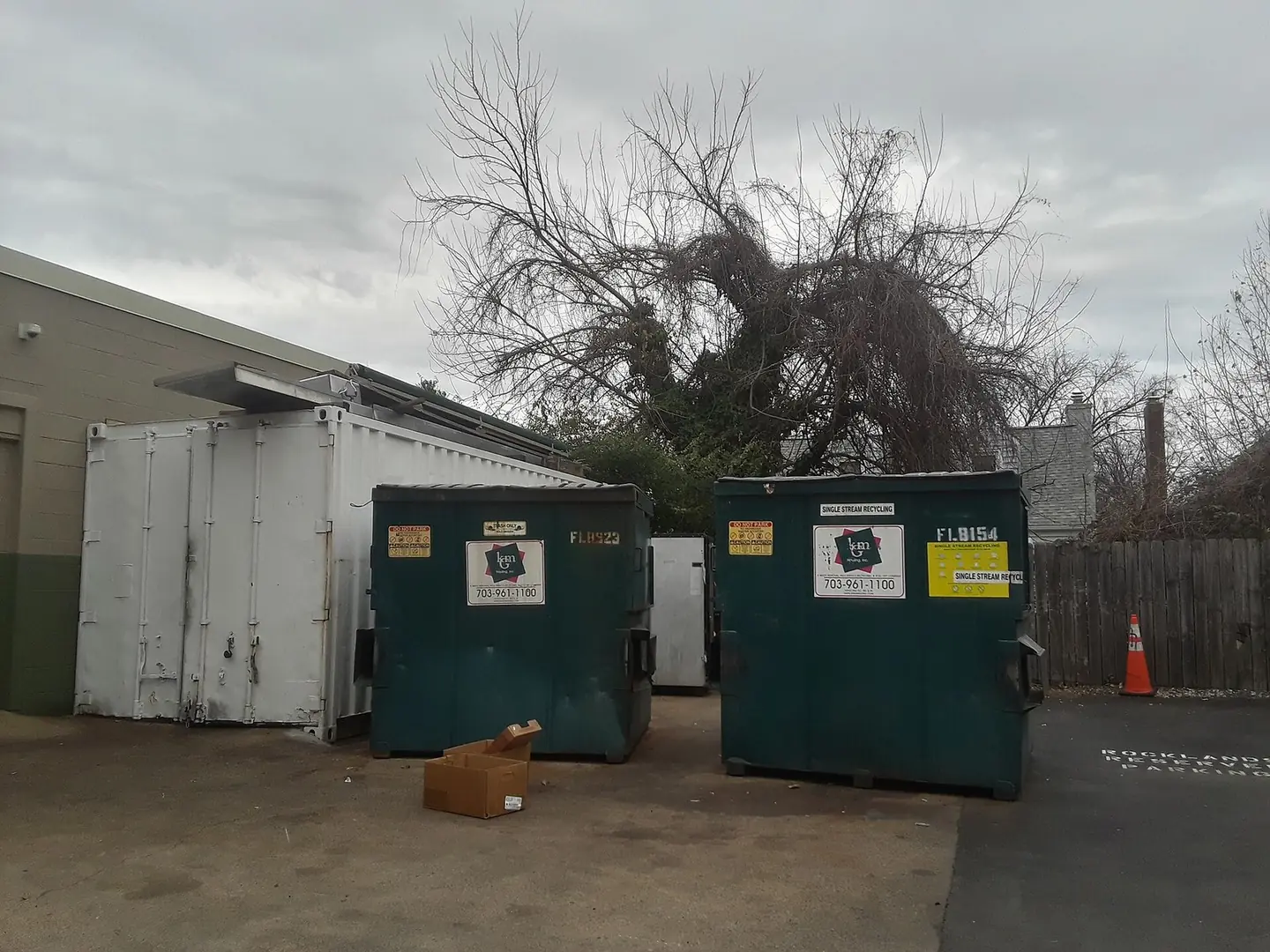
How it differs from carts
| Home carts | Commercial | |
|---|---|---|
| Time on site | 2 to 5 minutes a stop | 10 to 20 minutes a container; 45 minutes to 2 hours a pad |
| When | Trash day, daytime | Often overnight or early morning, between closing and prep |
| Equipment | A cart lift and spinner head | Hot water, a surface cleaner, a foam cannon for degreaser, a wet vacuum, sometimes a dumpster lift |
| Water | A few gallons a cart | Far more, and greasy |
| Paperwork | Online sign-up | A site visit, a written scope, a certificate of insurance, a contract |
Not every bin rig can do dumpsters. One Reno company doesn’t service metal dumpsters at all, and a dumpster lift for 2- to 10-yard containers is a separate, larger investment.
Write the scope down. A typical pad job includes the concrete pad, 4 to 6 feet of pavement around it, the enclosure walls, gates and bollards. It usually excludes the inside of the dumpster (the hauler’s) and pumping the grease trap (a licensed grease hauler’s job).
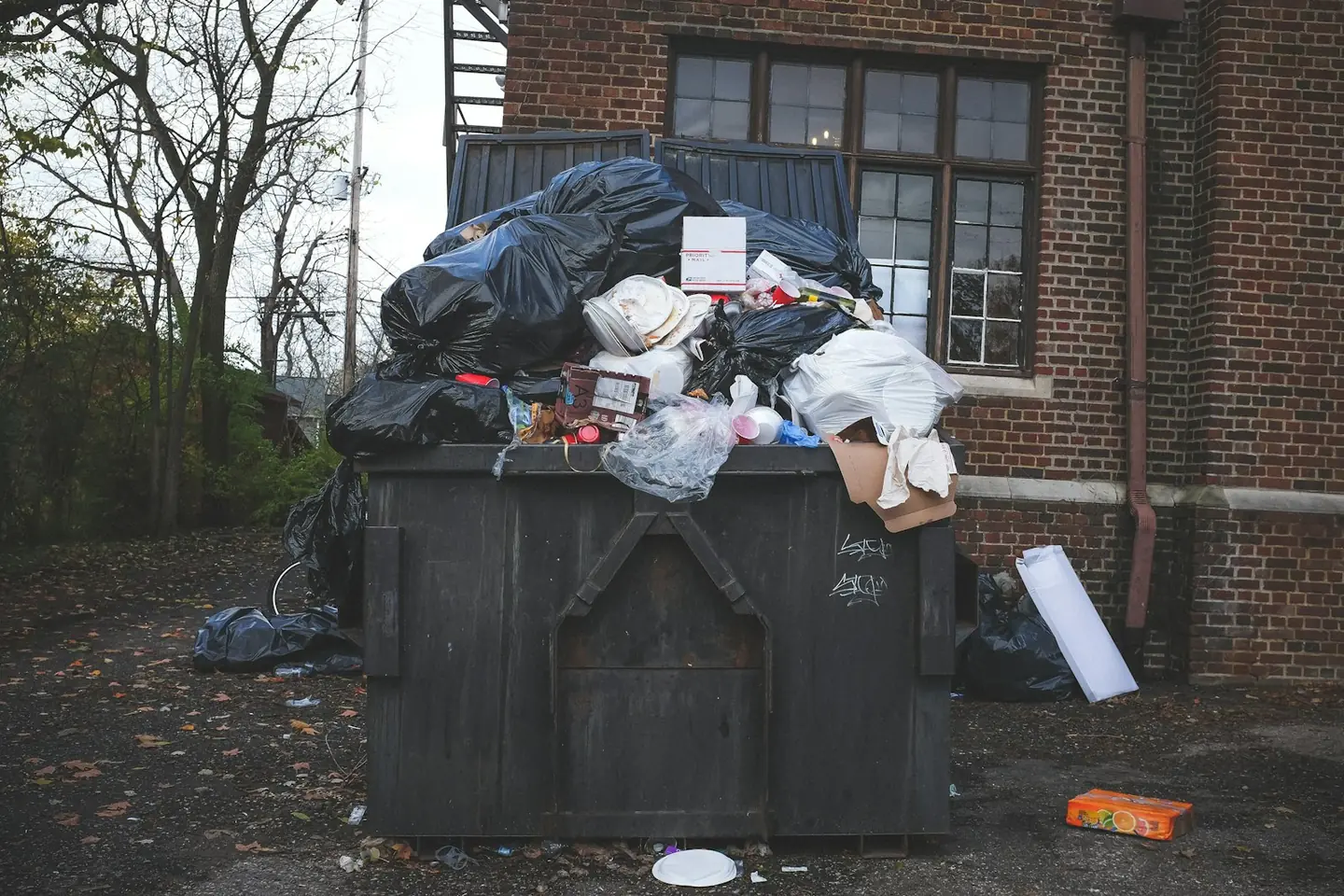
Frequency. One Charlotte pad-cleaning company recommends (Power Wash Charlotte):
| Business | April to October | November to March |
|---|---|---|
| Fast food and chains | Monthly | Quarterly |
| Busy full-service restaurants | Every two weeks to monthly | Monthly |
| Food halls and shared dumpsters | Every two weeks | Monthly |
Plus one extra visit 5 to 7 days before an expected inspection.
What commercial work pays
Published dumpster prices from 13 bin cleaners, October 2026:
| Company | Monthly | Quarterly | One-time | Other |
|---|---|---|---|---|
| WHATABIN (CA) | $200 | $250 | $500 | 2 to 10 yards |
| WASH BINS (CA) | $225 | $300 | Every 6 months $250 | |
| Geoffrey Garbage Can Cleaning (TX) | $175 | $225 | $350 | Booking allows 2 hours a job |
| Okie Bin Blasters (OK) | $100 | $200 | $300 | |
| Northwest Eco Clean (WA) | $175 | $250 for one, $275 for two | 4-visit minimum on quarterly | |
| Filth2Fresh (CT) | $150, then $120 each extra | Pads $25 | ||
| TK Valet (UT) | Pad $250 a visit; dumpster and pad $300 |
From each company’s website (WASH BINS, TK Valet), checked October 2026.
Across the companies that publish them: $100 to $200 a month (median $175), $150 to $250 a quarter, and $150 to $700 one-time (median $300). Guides that aren’t company price lists give these ranges by size (Service Business Academy, DoorstepHQ):
| Container | One-time | Monthly |
|---|---|---|
| 2-yard dumpster | $75 to $150 | $50 to $100 |
| 4-yard | $100 to $200 | $75 to $125 |
| 6-yard | $150 to $250 | $100 to $175 |
| 8-yard | $200 to $300 | $125 to $200 |
| A stop with 4 to 10 containers | $300 to $600 |
Pads vary the most, from about $25 as an add-on to a dumpster cleaning up to $300 for a big, greasy pad, with a higher price for the first clean. The rule every source agrees on: quote after a site visit, charge more for the first clean, and sign a contract for a set frequency.
Grease and wastewater
Pads are where wastewater rules bite hardest (Lesson 5). Grease is the most common cause of sewer blockages, and some utilities fine restaurants for grease problems; one Charlotte vendor says a violation notice there starts at $500. On every pad job:
- Sweep and soak up grease with absorbent before any water goes down.
- Block nearby storm drain inlets.
- Use heat and a degreaser left to sit for a few minutes; pressure alone won’t lift grease.
- Vacuum up all the water.
- Dump only where your sewer utility has approved it, and keep the receipts. Some utilities require a grease separator first.
Approval can take weeks, so call your sewer utility before you quote your first pad.
The insurance commercial clients ask for
| Who | What they asked vendors for |
|---|---|
| HOAMCO, an HOA management company | $1 million per incident and $2 million total liability, naming the company and its associations as additional insured; workers’ comp as required; a W-9 |
| One property’s vendor sheet | Liability $1M/$2M, auto $1M, employer’s liability $1M, umbrella $2M, workers’ comp |
Sources: HOAMCO, vendor requirements.
An HOA’s attorney will also check that the additional-insured endorsement covers both ongoing and finished work, that the policy has no exclusion for multi-family property, and that certificates come straight from your insurer (Davis-Stirling). Ask your agent for these before you bid. Lesson 4 covers costs.
HOA and apartment programs
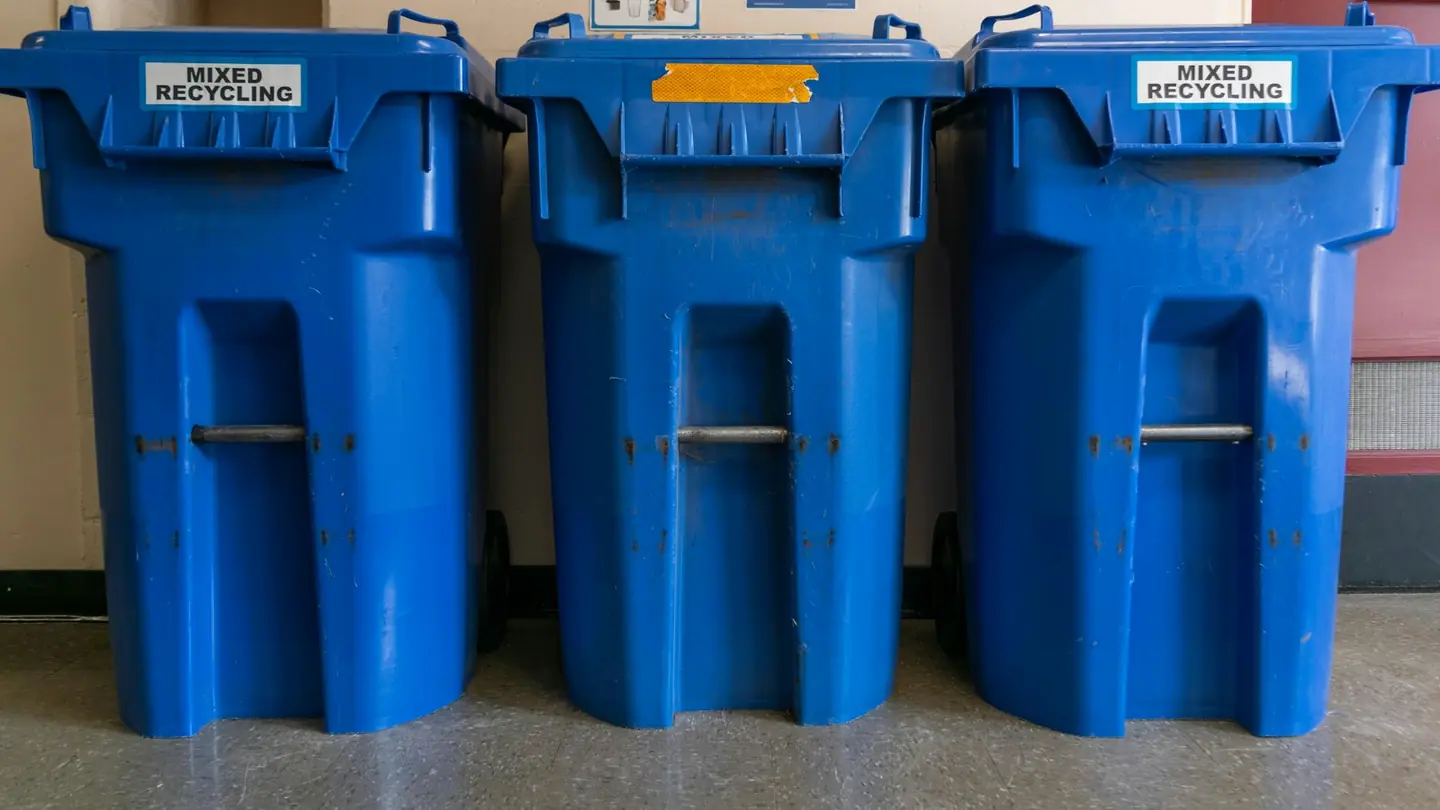
- Group rates. Can Cleaners offers HOAs up to 30% off with free service for the HOA contact; Bubble Binz cites 10% to 20% off. One pricing guide puts bulk HOA contracts at $8 to $15 a can a month (a secondary source).
- Per-unit pricing. TK Valet in the Salt Lake area prices HOA and property-manager work per unit, for cart cleaning and for trash valet (rolling carts to and from the curb).
- One cleaning day. Bring the rig once and clean every cart on a street or in a complex, then offer residents a plan.
Haulers: partners and competitors
Texas Bin Works offers haulers bin cleaning as an add-on to their residential routes, with a revenue share. Athens Services, a California hauler, employs its own bin washers. A South Carolina hauler, Chances Disposal, started its own bin cleaning in 2024. A hauler can be your best referral source or your competitor, so learn which before you pitch.
How to sell commercial work
- Start with one kind of customer, such as restaurants on your existing routes or apartment complexes near your best neighborhoods.
- Find the decision maker: the owner or general manager at a restaurant, the facility or property manager elsewhere.
- Lead with their problem: inspections, pests, smell near the entrance, and grease fines.
- Bring proof: your insurance certificate, your wastewater permit or dumping receipts, and before-and-after photos.
- Do a site visit, then send a one-page quote with the scope, frequency, price and first-clean price.
- Sign a contract for a set frequency, and put the next visit on your calendar before you leave.
Key takeaways
- Commercial jobs pay $100 to $300 or more a visit and run all year, but take longer and need more equipment.
- Published dumpster prices run $100 to $200 a month, $150 to $250 a quarter and $150 to $700 one-time.
- Quote after a site visit, charge more for the first clean, and put the scope and frequency in a contract.
- Pads carry grease: absorb it, block the drains, vacuum every drop and dump only where approved.
- Expect to show $1 million/$2 million liability cover with the client as additional insured.
FAQ
How much should I charge to clean a dumpster?
Published prices from bin cleaners run $100 to $200 a month for monthly service (median $175), $150 to $250 a visit quarterly, and $150 to $700 for a one-time clean (median $300). Size matters: guides put a 2-yard dumpster at $75 to $150 one-time and an 8-yard at $200 to $300. Quote after a site visit.
How much does dumpster pad cleaning cost?
Pads vary the most, from about $25 as an add-on to a dumpster cleaning up to $300 depending on size, grease and access, with a higher first clean. One Utah company charges $250 a visit for a pad and $300 for a pad and dumpster together.
Do I need different equipment for commercial dumpsters?
Usually. Pads need hot water, a surface cleaner, degreaser and a wet vacuum to recover water, and dumpsters often need a longer wand or a dumpster lift. Some cart rigs can’t service metal dumpsters at all.
What insurance do commercial clients require?
Property managers and HOAs commonly ask for $1 million per incident and $2 million total general liability, naming them as additional insured, plus commercial auto, workers’ comp where required, and sometimes an umbrella policy. Ask your agent for the endorsements before you bid.
How often should a restaurant’s dumpster pad be cleaned?
One Charlotte pad cleaner recommends monthly for fast food and chains in the warm months, every two weeks to monthly for busy full-service restaurants, and an extra visit about a week before an expected inspection.