Lesson 9 of 156 min read
Routes, trash days and holidays
How to build bin cleaning routes around trash day: grouping customers, the four-week cycle, route density, stops per day, recycling weeks and holiday shifts.
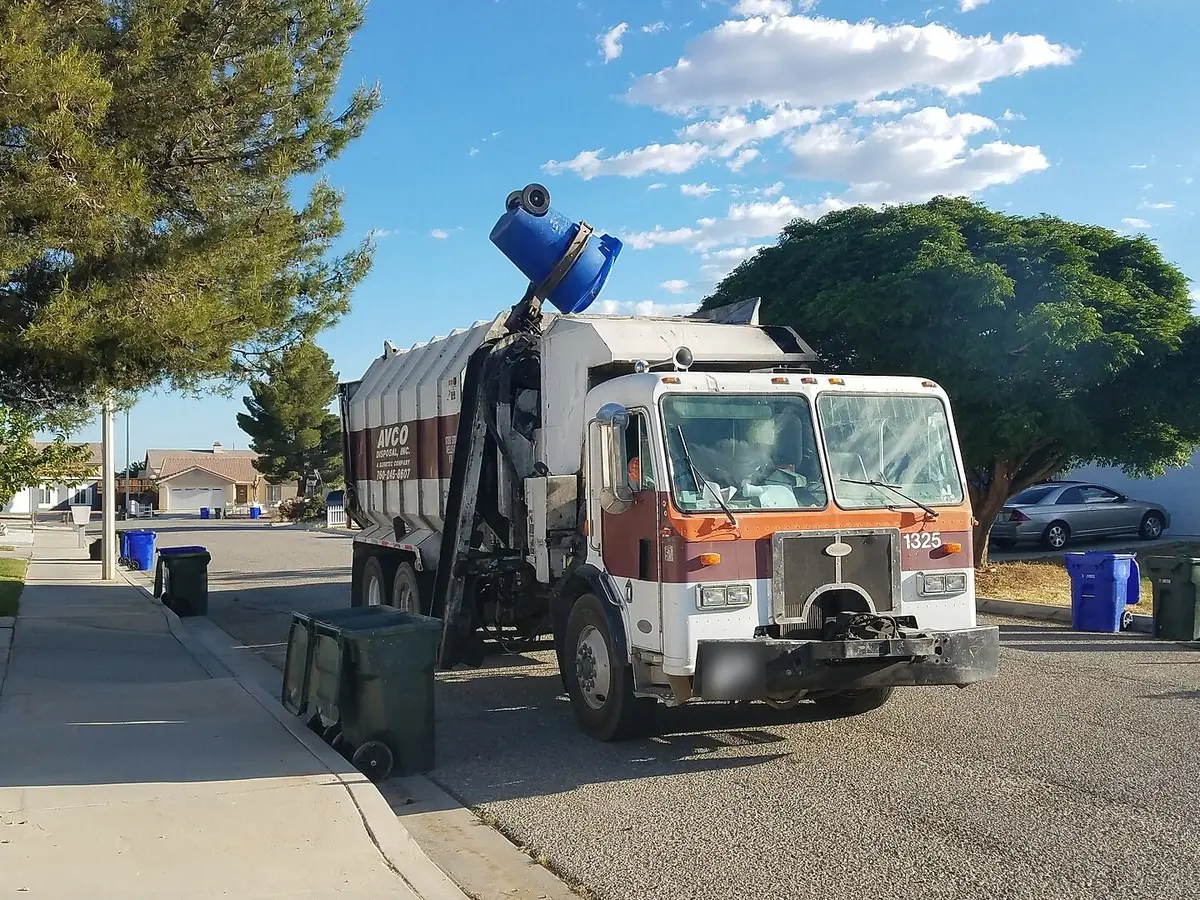
Your schedule isn’t yours. A cart can only be cleaned empty, and it’s only reliably empty right after pickup, so the garbage truck decides which streets you work each day. Once you accept that, routing gets simple: group customers by trash day, clean each neighborhood on its day, and keep the stops close together.
Trash day is your schedule
Every address has a fixed weekly trash day, and neighbors almost always share it. Los Angeles, for example, collects every street on one weekday from Monday to Friday (our Los Angeles guide). Grouping customers by trash day packs your stops together automatically.
That has a few consequences:
- You can’t move a customer to a “better” day. Their cart is full on every other day.
- Each trash day is a separate route. Monday customers are Monday’s route.
- A customer far from the others on their trash day costs you a drive. That’s the stop to charge more for or turn down.
The four-week cycle
Most bin cleaners run a four-week cycle. Each customer is placed in one week of the cycle, on their trash day, and comes back every four weeks on that same week. Every-8-week and every-12-week plans fall on the same week of the cycle, just less often. Several companies define “monthly” as every four weeks and “quarterly” as every twelve for exactly this reason.
Four weeks of routes, one trash day at a time
- Mon trash day
- Week 1 Oak Park
- Week 2 Cedar Ridge
- Week 3 Mill Creek
- Week 4 Lakeview
- Tue trash day
- Week 1 Pine Hollow
- Week 2 Briarwood
- Week 3 Sunset Hills
- Week 4 Old Town
- Wed trash day
- Week 1 Westfield
- Week 2 Elm Grove
- Week 3 Stonebridge
- Week 4 Hillcrest
- Thu trash day
- Week 1 Fox Run
- Week 2 Willow Bend
- Week 3 Northgate
- Week 4 Meadowbrook
- Fri trash day
- Week 1 Riverside
- Week 2 Ashford
- Week 3 Kingsley
- Week 4 Brookfield
Each neighborhood is cleaned on its trash day, once every four weeks. Every route day is one tight cluster, and a customer always knows their day.
In a real town you’ll have more neighborhoods than days, so a week’s slot is a group of nearby streets. The aim is the same: one tight cluster per route day.
Recycling every other week. Many cities collect recycling every other week. Houston runs it on an A/B calendar (our Houston guide), and so does Chicago. A four-week cycle stays in step with that, so a customer’s recycling cart is always empty on their cleaning day. Clean those carts only in their pickup weeks.
Why neighbors make money
Why neighbors make money
12 stops spread across town
94 blocks of driving
12 stops in one neighborhood
19 blocks of driving
Same truck, same 12 homes, two different days. The clustered day cleans the same 12 homes with 19 blocks of driving instead of 94. The square is where the truck starts.
In our income model, the same hot-water trailer brings in about $1,480 a day when stops are two minutes apart, and about $490 when they’re twenty minutes apart (Lesson 7). The founder of Sparkling Bins, a large Florida operator, found that covering a whole county was inefficient and narrowed his service to small, dense areas to cut travel time (MarketBeat).
What to do about it:
- Rank your routes by money per route hour, including the drive.
- Fill one area before you open another. Door hangers around current customers on cleaning day are the cheapest way to do it (Lesson 10).
- Charge more for far-off stops, or say no. A 20-minute detour for one $29 cleaning loses money.
- Sell the other carts at the same stop. Recycling and yard-waste carts add revenue with no extra driving.
- Offer street and HOA deals. Ten homes on one street is ten stops for one drive.
How many stops fit in a day
| Source | Stops a day |
|---|---|
| A real bin cleaning job ad, Miramar, FL | 30 to 35, about 7:30 am to 2 pm |
| Our income model, hot-water trailer | 48 at 2-minute drives, 36 at 5, 25 at 10, 16 at 20 |
| An equipment seller’s guide | 30 to 50 when starting out; up to 90 |
| A trailer builder’s claim | 60 to 100 bins |
Sources: CareerBuilder, Garbage Can Cleaning, The Bin Trailer.
Plan your first routes at 25 to 30 stops and adjust once you’ve timed real days. Remember your tank: if one fill covers 75 bins and your day is 40 two-bin stops, plan where you’ll refill and dump mid-route, or carry more water.
Holidays move your week
When a holiday moves pickup, it moves your cleanings too. Cities announce changes in different ways:
- “Slides a day”: that day’s routes and the rest of the week run a day late. Los Angeles does this after four holidays in 2026, New Year’s, Labor Day, Thanksgiving and Christmas, and Friday’s routes run on Saturday (LA Sanitation). Your Friday route moves to Saturday too.
- “Next day”: only the holiday’s routes move.
- “No pickup” or “normal pickup.”
- Not announced yet: Houston, for one, announces each change one holiday at a time.
For fall 2026, Thanksgiving changes pickup in 30 of the 50 biggest US cities, runs normally in 5, and wasn’t yet announced in 7. Our free trash pickup guides list who collects, recycling schedules and the next holiday change for each of those 50 cities.
What to do:
- In early November and December, check every hauler you serve.
- Text affected customers before the week starts.
- Plan for a Saturday route in slide weeks.
Routes built from trash days
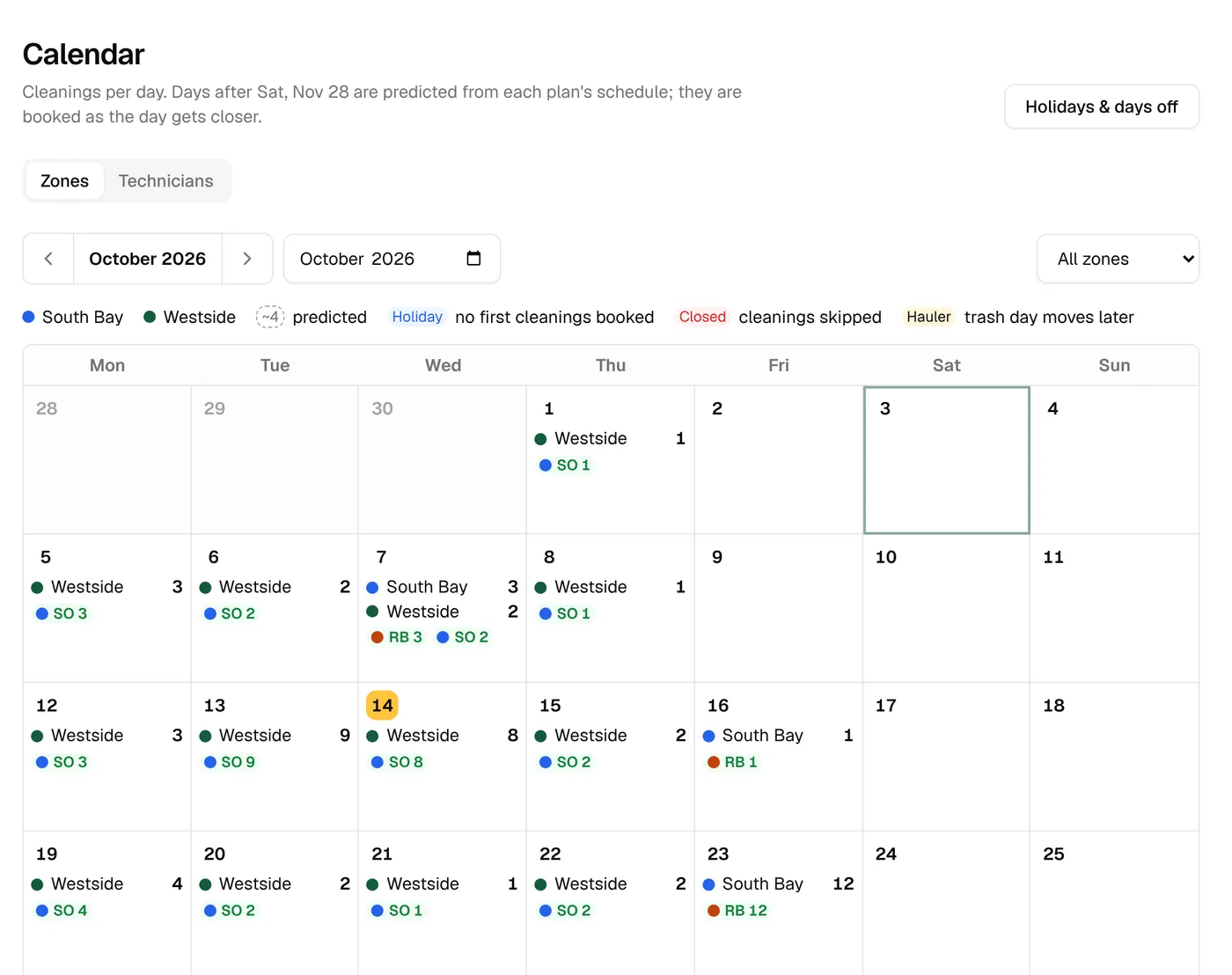
Example from Clean Bin System: cleanings per day by zone, with a holiday moving the week.
Plan each route day
- Load the route the night before, in stop order, with gate codes and notes.
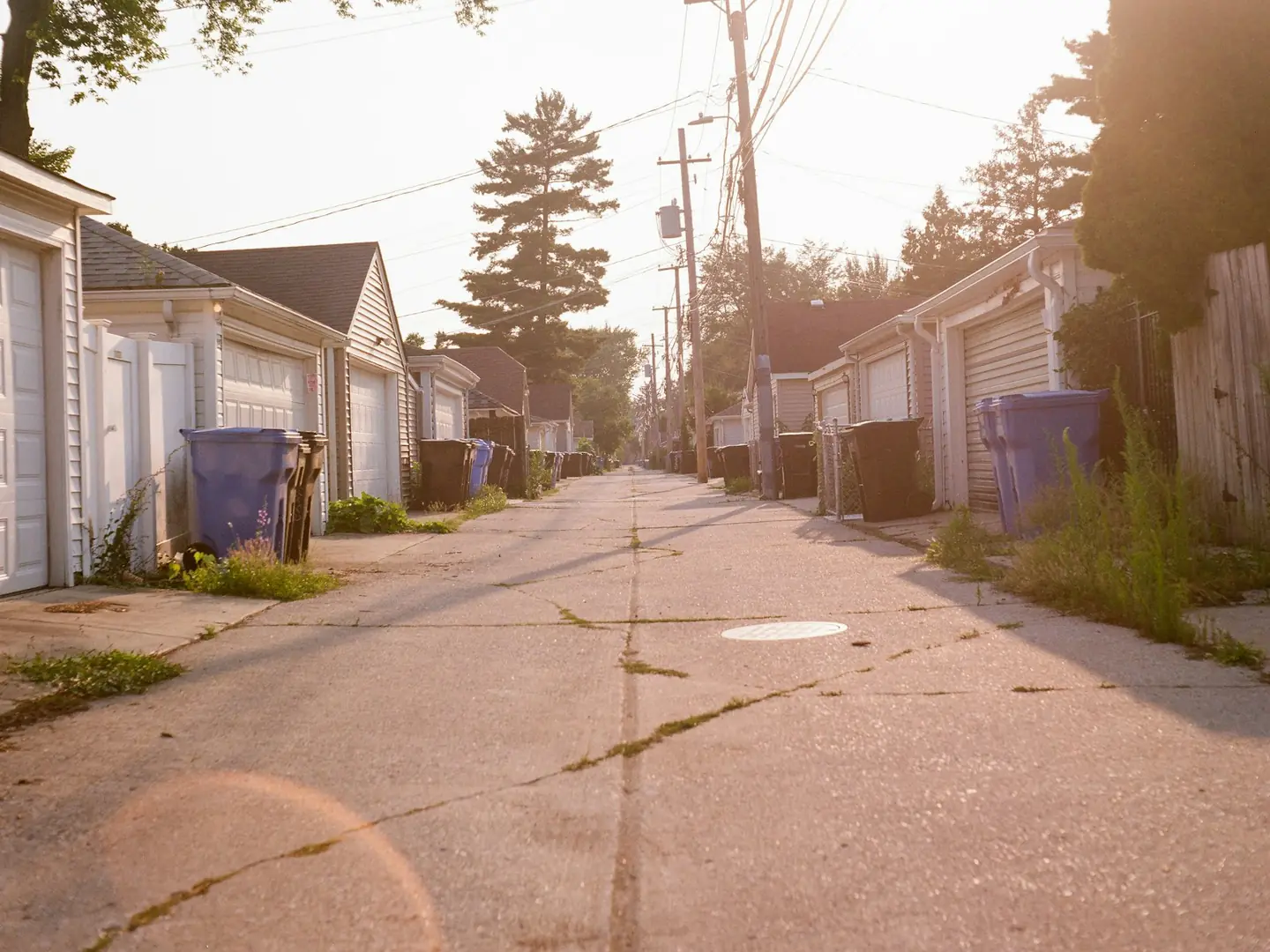
- Start where the truck has already been. Watch which streets it clears first for a few weeks, and begin there.
- Plan your fills and dumps around your tank sizes.
- Leave slack for first cleans, which take two or three times as long.
- Batch your problem stops: a cart that wasn’t out can be retried at the end of the route if the customer replies to your text.
Software built for bin cleaning puts customers on their trash day when they sign up, builds the four-week cycle, moves a week’s cleanings when you enter a hauler’s holiday, and orders each day’s stops. If you use a general scheduling tool, check that it can do these things before you rely on it. Lesson 14 covers the choices.
Key takeaways
- The hauler’s trash day decides your route. Group customers by trash day and clean each street on its day.
- Run a four-week cycle: every customer is in one week of it, which keeps every-4, every-8 and every-12-week plans and every-other-week recycling in step.
- Tight routes bring in about three times as much a day as spread-out ones. Fill one area before opening another.
- Plan 25 to 30 stops a day at first, then use your real timings.
- Check every hauler’s holiday changes in November and December and text customers before the week starts.
FAQ
How do I plan bin cleaning routes?
Group customers by their trash day, then put each one in one week of a four-week cycle so each route day is a tight cluster of neighbors. Clean on trash day after pickup or the next day, order the stops along the way, and plan where you’ll refill water and dump wastewater.
How many trash bins can you clean in a day?
A real job ad in Florida lists 30 to 35 stops a day. Our model puts a hot-water trailer at about 36 two-bin stops a day with five-minute drives and 48 with two-minute drives. Builders claim 60 to 100 bins a day. Start around 25 to 30 stops and time your own days.
What happens to bin cleaning schedules on holidays?
When a holiday moves trash pickup, your cleanings move with it. In many cities the rest of the week runs a day late and Friday’s routes move to Saturday. Check each hauler’s holiday schedule ahead of time and text affected customers before the week starts.
Should I clean bins on trash day or the day after?
Either works. Same-day cleaning catches carts before residents pull them in, which matters in cities that require carts off the curb by evening. Next-day cleaning is easier to schedule but needs customers to leave empty carts out or in the driveway.
How far should I drive for one customer?
As little as you can. Each extra minute of driving cuts the stops you fit in a day. A 20-minute detour for one cleaning usually loses money, so charge more for far-off homes, put them on a waitlist until you have neighbors there, or say no.