Lesson 15 of 156 min read
Your launch plan, and the mistakes to skip
A launch plan for a bin cleaning business: the order to do things in, a checklist you can tick off, your first 90 days, and 15 mistakes that sink new operators.
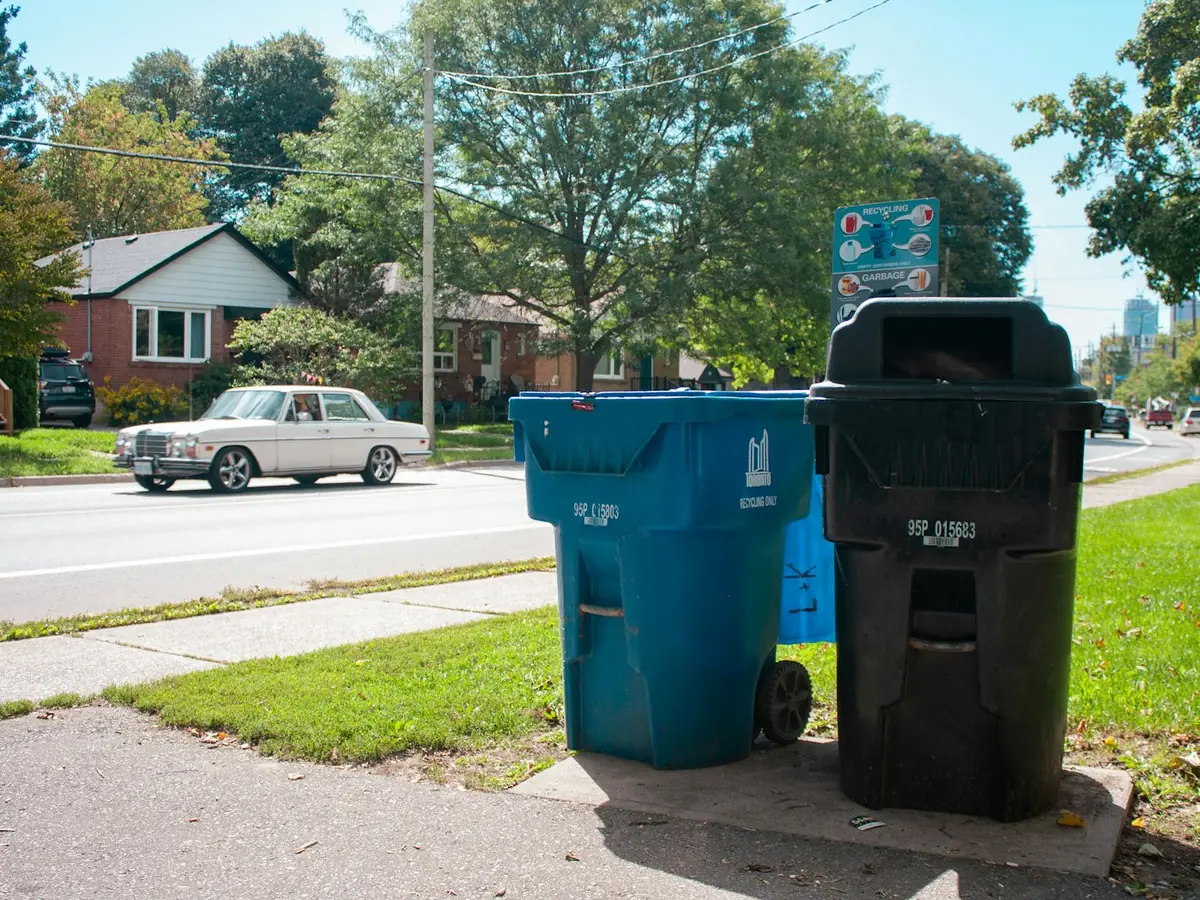
You’ve seen every part of the business. This lesson puts it in order, so you don’t buy a $46,000 trailer before you know where its wastewater can go, and so your first route day has customers on it.
Do it in this order
- Get your wastewater answer in writing from your city’s stormwater office and sewer utility. If there’s nowhere legal to dump, stop here (Lesson 5).
- Check home-business zoning and your HOA for parking a trailer at home (Lesson 4).
- Pick your area and spend an evening on the competition (Lesson 10).
- Set up the business: LLC, EIN, DBA, bank account, local business license (Lesson 4).
- Get your sales tax answer in writing from your state (Lesson 4).
- Choose and order your rig. Lead times run from a few weeks to three months (Lessons 2 and 3).
- Line up water and a dump site with written permission or an account (Lesson 5).
- Buy insurance before the first job: liability, commercial auto with the trailer listed, and equipment (Lesson 4).
- Set your prices and terms (Lesson 6).
- Name and brand: checks, logo, wrap or magnets (Lesson 10).
- Build your sign-up and billing: a website with prices and a Book button, software with cards on file and automatic retries, and a registered texting number (Lessons 11, 12 and 14).
- Create your Google Business Profile (Lesson 11).
- Pre-sell founding customers in one to three neighborhoods (Lesson 10).
- Run your first routes, with photos, reviews and hangers on the neighbors’ doors (Lessons 8 and 10).
- Then advertise, starting with a small Google Ads test on “trash can” searches (Lesson 11).
Your launch checklist
Your first 90 days
| When | Focus | Done when |
|---|---|---|
| Before launch | Legal answers, business setup, rig ordered, water and dumping lined up, insurance, prices | You can legally clean and dump in your first area |
| Weeks 1 to 4 | Website, Google profile, texting registered, founding-customer pre-sale, door hangers on your target streets | You have paid sign-ups for your first route days |
| Weeks 5 to 8 | First routes; time every stop; photos; reviews; hangers on neighbors’ doors; one HOA or street day | Your real minutes per stop and cost per stop are known |
| Weeks 9 to 13 | Fill your route days; referral link in every “done” text; a small Google Ads test; a partner pitch | You know your cost per paying customer and your break-even number |
Track three numbers from the first week: customers on plans, stops per route hour, and cost per paying customer. Lesson 14 has the rest.
15 mistakes that sink new bin cleaners
Most of these come from operator interviews and business guides, so treat them as experience rather than data.
- Buying the rig before proving demand. One operator in a Facebook group reportedly spent $32,000 on a rig, signed 18 customers, found he was driving more than cleaning, and listed the rig for sale six months later (a second-hand account in MoneyPantry). Pre-sell first.
- Spreading out too far. Stops 20 minutes apart bring in a third of what close stops do (Lesson 9). Fill one area first.
- Running out of cash. Too little money at the start and slow first years both come up in operator interviews on an industry podcast. Keep at least three months of fixed costs in the bank, and keep your equipment payment small until you have customers to cover it.
- Skipping the wastewater rules. Penalties reach $10,000 a day in San Diego and $25,000 in Sonoma County (Lesson 5).
- Underpricing. Know your cost per stop before you price, and don’t race the cheapest competitor (Lesson 6).
- Miscounting “monthly.” Every 4 weeks is 13 cleanings a year, not 12.
- Ignoring winter. In cold regions you lose months. Pause billing, sell prepaid years, and keep commercial work going (Lesson 12).
- A weak sign-up and billing setup. Of the 411 companies in our research, 98 had no online booking and 47 showed no prices, and about one in five sites had no tracking, so their owners can’t tell which marketing works.
- Hiring wrong. Hiring before writing procedures, paying a route tech as a 1099 contractor, or skipping training (Lesson 14).
- Buying a second rig before the customers exist. It should open with a route on it.
- Not documenting damage. Without before photos, every cracked lid becomes your problem.
- Downtime. A used rig cuts the payment but raises breakdown risk. Line up a repair shop and spare parts before you need them; a missed route costs customers.
- Taking every customer. A far-off stop can cost more than it pays. Charge more, waitlist it, or say no.
- Claims you can’t back up. “Kills 99.9% of germs,” “EPA approved” and plain “eco-friendly” can bring EPA and FTC trouble (Lessons 3 and 11).
- Letting failed cards and cancellations leak. Automatic retries, card-update links and reminders from day one (Lesson 12).
The one operators disagree on: truck or trailer. One operator’s advice on an industry podcast is to buy a truck instead of a trailer if you can. A business guide recommends trailers for first-timers because they cost less and are easier to fix. Our model sides with the trailer until your route is dense enough to keep a truck busy (Lesson 7), but both camps have successful operators.
Where to go from here
Go back to the lesson for whatever step you’re on; each one ends with what to do next. When you’re ready to take customers, Clean Bin System runs sign-ups, trash-day scheduling, routes, billing and texts in one place, with a free trial of 1 day. If you’d rather have someone build your website, Google profile and ads, BinClean Marketing does that for bin cleaners. Both are run by the author of this course; nothing in the course requires either.
Key takeaways
- Get your wastewater answer before you spend money on equipment.
- Set up the business, insurance and sales tax before your first customer, and order the rig early.
- Build a sign-up that takes a card and a Google profile before you market, then pre-sell one area.
- Grow street by street; advertise once your site converts.
- Most failures come from too little density, too little cash, and leaks in billing and compliance.
FAQ
How long does it take to start a bin cleaning business?
Plan on one to three months. Business setup and insurance take a few weeks, wastewater approval can take weeks, and trailer lead times run from about four weeks to three months. Use the wait to build your website, Google profile and founding-customer list.
What should I do first when starting a bin cleaning business?
Find out, in writing, where you can legally dump your wash water. Call your city’s stormwater office and your sewer utility before you buy anything. Without a legal dump site, you can’t operate.
What is the biggest mistake new bin cleaners make?
Buying expensive equipment before they have customers close together. A financed trailer needs well over 100 customers to cover its costs, and customers spread across a county bring in a third as much a day as customers on the same streets. Pre-sell one area before the payments start.
Do I need a business plan for a bin cleaning business?
A lender may ask for one, and writing it forces the important answers: your area, your wastewater plan, your prices, your break-even number and how you’ll get your first 100 customers. The lessons in this course cover each part, and the calculator in Lesson 7 gives you the numbers.
Can I start a bin cleaning business without a trailer?
Yes, with a pressure washer and tank in a pickup bed for about $3,500, or a skid unit that sits in a truck bed. It’s slower and carries less water, and you still need to capture and legally dump the wash water. It’s a good way to test demand before buying a trailer.